Free Lessons, Old Testament, Study of Daniel
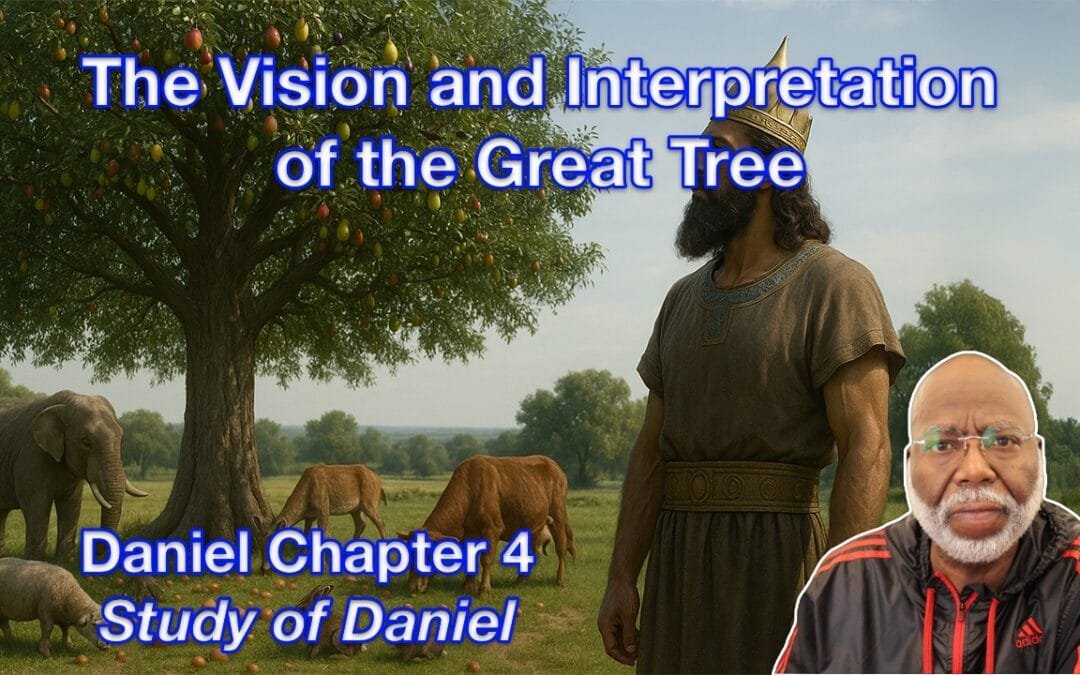
In Daniel 4, King Nebuchadnezzar recounts his dream of a vast tree cut down at heaven’s decree, symbolizing his coming humiliation for pride. Daniel interprets the dream, warning the king to repent. Nebuchadnezzar’s arrogance leads to his temporary insanity and exile among beasts until he acknowledges God’s sovereignty. When he humbles himself, his sanity and kingdom are restored, and he praises the Most High as ruler over all.
Free Lessons, Old Testament, Study of Daniel
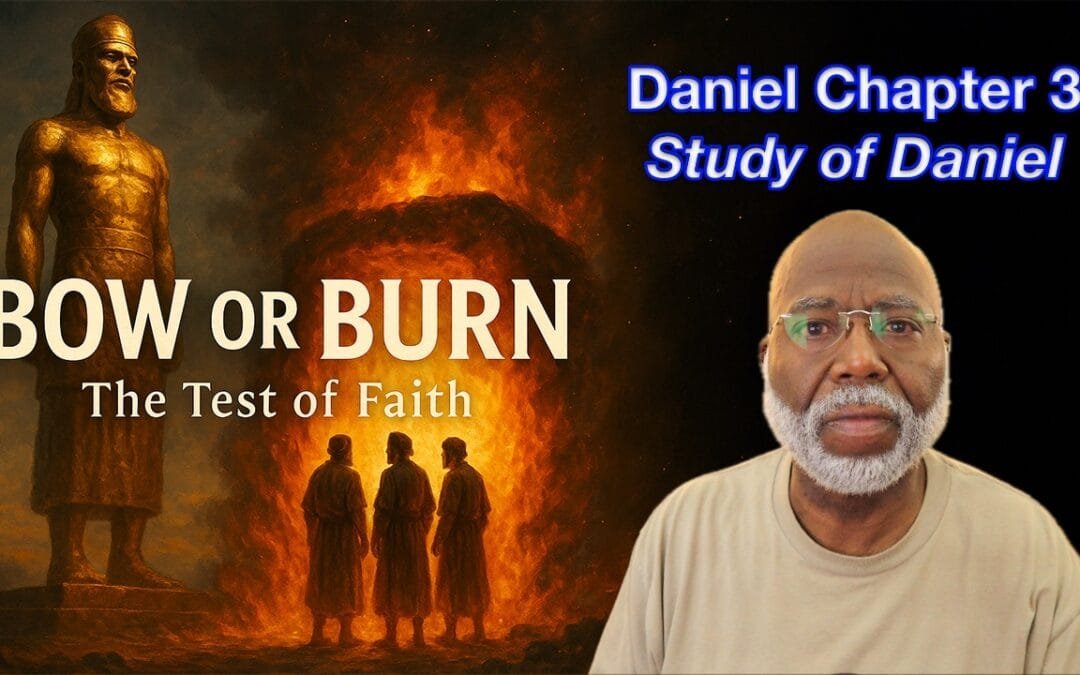
In Daniel 3, King Nebuchadnezzar commands all to worship a massive golden image, threatening death in a fiery furnace for refusal. Shadrach, Meshach, and Abednego refuse to bow, remaining loyal to God. They are thrown into the furnace but are miraculously unharmed, and a fourth figure appears with them. Seeing their deliverance, Nebuchadnezzar praises the God who saved them and decrees His honor throughout the kingdom.
Free Lessons, Old Testament, Study of Daniel
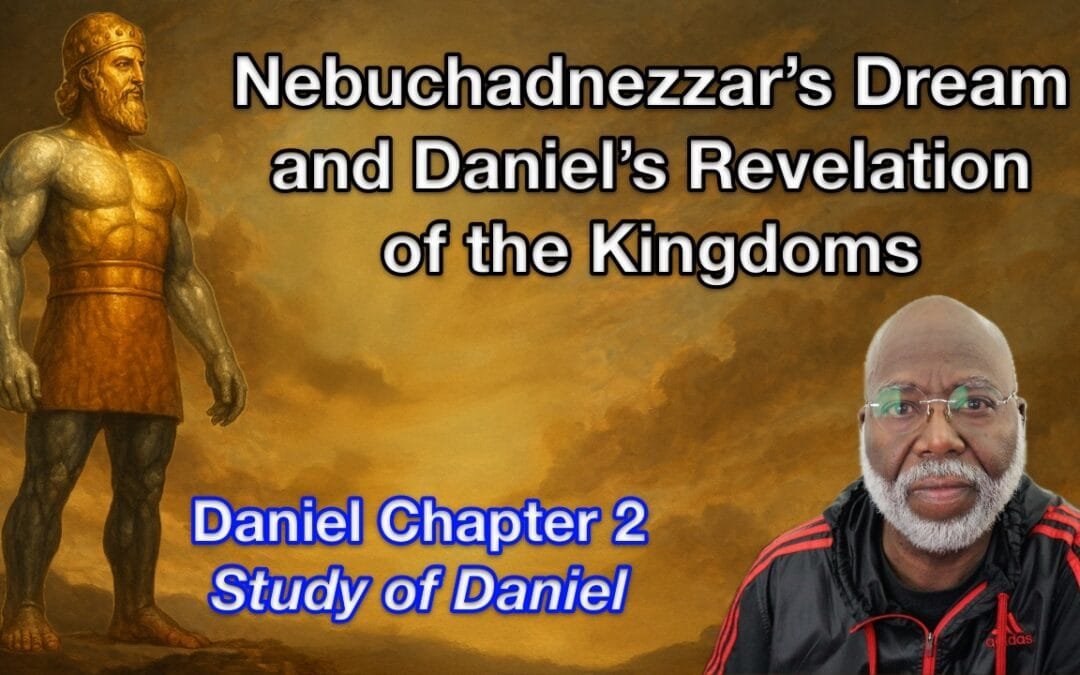
Daniel 2 recounts King Nebuchadnezzar’s troubling dream of a great statue representing successive earthly kingdoms, which only Daniel, through God’s revelation, is able to interpret. The dream foretells the rise and fall of human empires and the ultimate establishment of God’s eternal kingdom that will never be destroyed.
Free Lessons, Old Testament, Study of Daniel
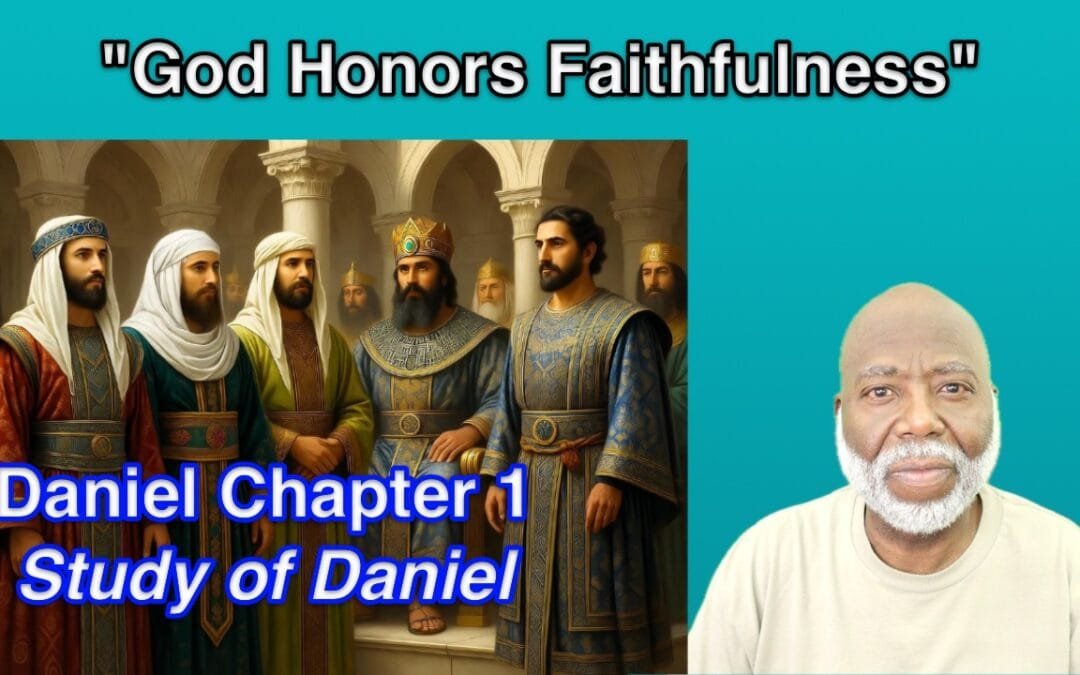
Daniel and other young men of Judah are taken to Babylon for royal service. Refusing to defile themselves with the king’s food, they remain faithful to God and are blessed with wisdom, health, and favor, surpassing all others in the king’s court.
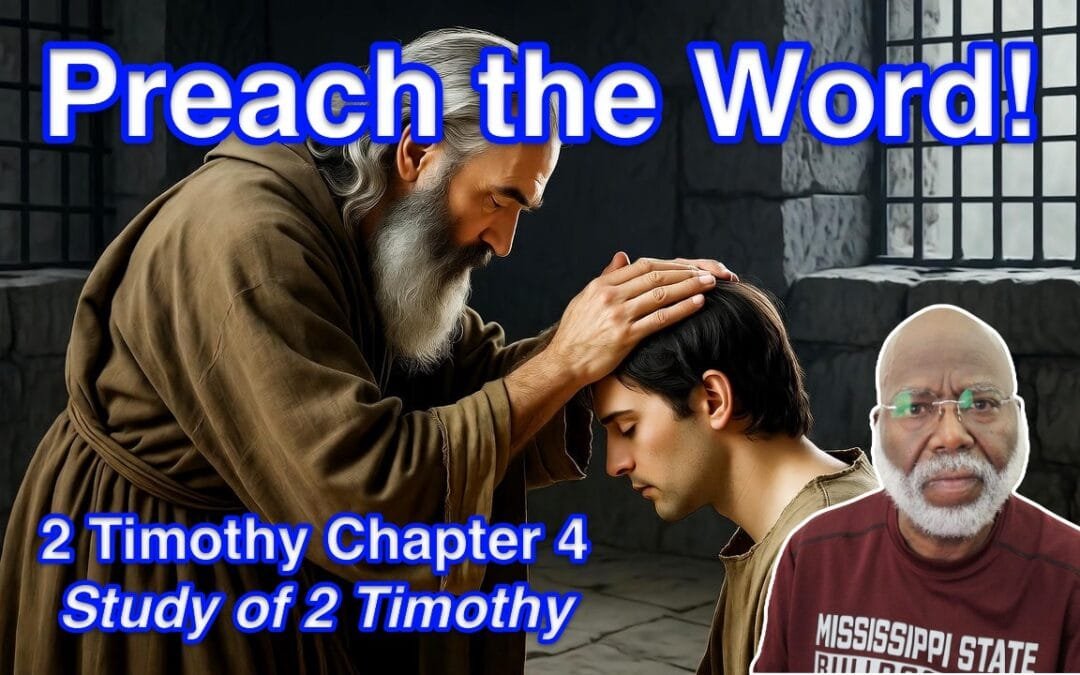
Free Lessons, New Testament, Study of 2 Timothy
In 2 Timothy 4, Paul charges Timothy to preach the Word faithfully, endure hardship, and fulfill his ministry. As Paul nears death, he reflects on finishing his race and keeping the faith, confident of the crown of righteousness and the Lord’s deliverance into His heavenly kingdom.
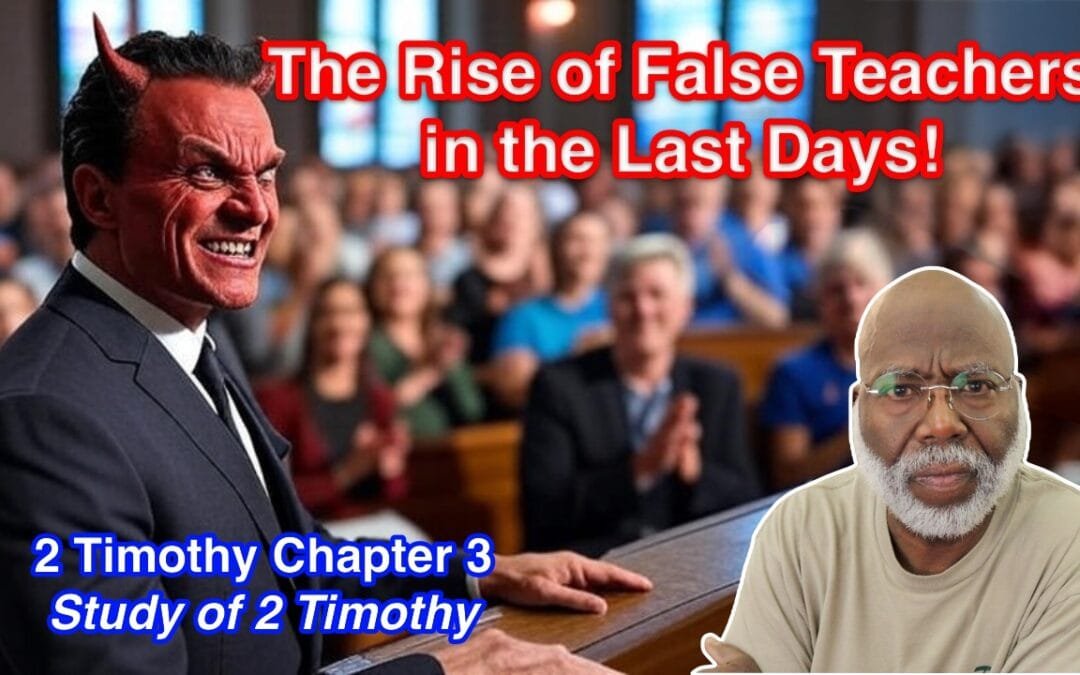
Free Lessons, New Testament, Study of 2 Timothy
2 Timothy 3 warns that the last days will be marked by widespread ungodliness—people loving themselves and pleasure rather than God, while only maintaining an outward form of religion. Paul contrasts this corruption with Timothy’s calling: to follow his example of faith, endurance, and suffering for Christ. The chapter closes with the reminder that all Scripture is God-breathed, profitable for teaching, correction, and training, fully equipping the servant of God for every good work.