Get the notes for this teaching!
The Christian life is often refined not in the moments of ease, but in the heat of adversity. The opening of the Epistle of James (James 1:1–12) provides a profound framework for understanding why God permits trials and how the believer is expected to navigate them.
The Theology of the Trial
James begins by reframing the very nature of suffering. Rather than viewing trials as obstacles to faith, he presents them as the instruments of faith. When believers “encounter various trials,” the objective is the production of endurance (hupomonē). This is not a passive resignation to fate, but a courageous “remaining under” the pressure until God’s work is complete.
The Provision of Wisdom
One of the most common challenges in a trial is simply not knowing what to do. James provides a definitive solution: Ask God. * The Character of the Giver: God is described as a generous Giver who does not find fault with the petitioner.
- The Condition of the Request: The request must be made with a single-minded trust. The “double-minded” man, unstable as the surf of the sea, lacks the spiritual foundation to receive the very guidance he seeks.
The Eternal Perspective
The passage concludes by leveling the socioeconomic field. Whether one is in humble circumstances or possesses great wealth, the focus remains on the transience of this life compared to the permanence of the next. The “Crown of Life” is the ultimate reward for those who persevere, serving as the divine “well done” for a life tested and approved by fire.
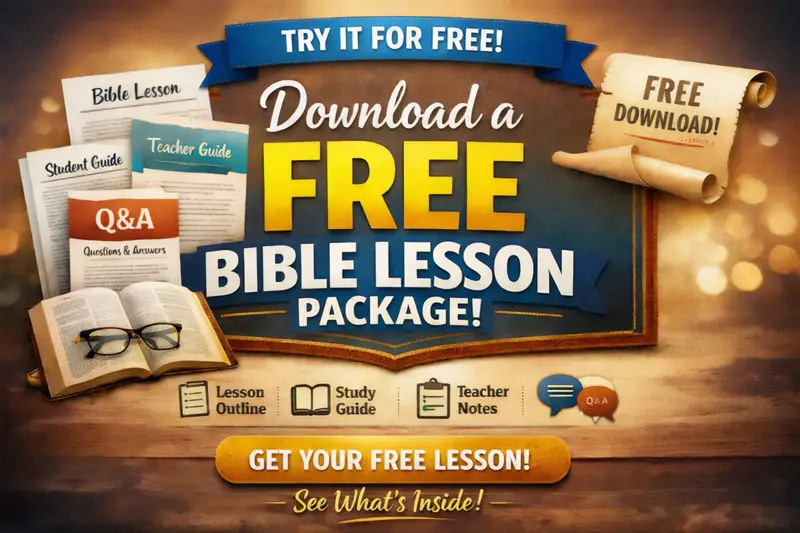
Equip Your Ministry: The James 1:1–12 Study Package
To facilitate a deeper exploration of these truths within your church, small group, or personal study, a comprehensive digital resource package is now available. This curriculum is designed to move beyond surface-level reading into a rigorous, life-changing exposition of the Word.
What is Included in the Package:
- Professional Study Outline: A verse-by-verse breakdown focusing on the original Greek context and theological implications.
- Teacher’s Curriculum Guide: Strategic insights for leading discussions, including historical context and pedagogical prompts.
- Student Learning Guide: Structured notes and reflection questions to ensure the message moves from the head to the heart.
- Assessment Tools: A complete quiz and answer key with detailed theological explanations for every response.