0 of 3 used this week
Guest Access
Register FREE to unlock the complete Premium Study Package and premium lesson assets.
Guest visitor
Register free for premium access
Register free to unlock the complete Premium Study Package.
0 of 3 used this week
Register FREE to unlock the complete Premium Study Package and premium lesson assets.
Guest visitor
Register free for premium access
Register free to unlock the complete Premium Study Package.
0 of 3 used this week
Register FREE to unlock the complete Premium Study Package and premium lesson assets.
Guest visitor
Register free for premium access
Register free to unlock the complete Premium Study Package.
Download today's Lesson Outline, or create your FREE account to instantly unlock the complete .
10 thoughtful questions. A moment to reflect, remember, and grow.
Everyone is welcome. Register free to save your scores and follow your progress.The Tabernacle of Moses is much more than an ancient mobile sanctuary; it is a profound, divinely orchestrated architectural map of the Gospel of Jesus Christ. As we dive deep into Exodus Chapter 30, we find ourselves transitioning from the external architectural frameworks into the internal liturgical realities that govern true worship.
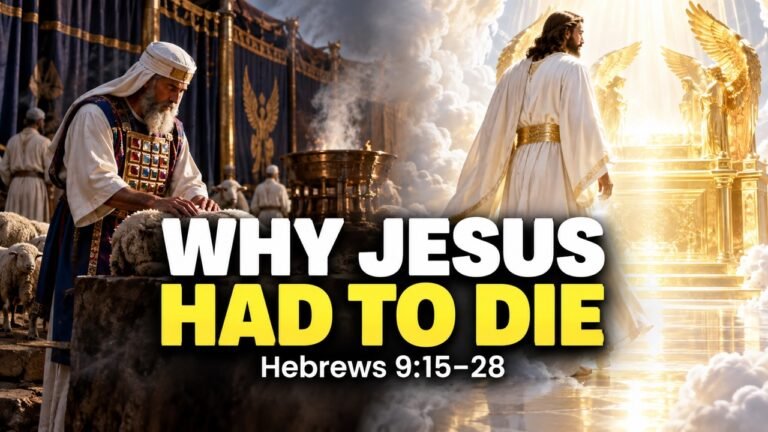
Inside the Holy Place stands the Altar of Incense, a gold-overlaid acacia structure positioned strategically in front of the inner veil. This geographical placement creates a direct spatial path to the Mercy Seat. Twice daily, the high priest burns a highly specialized, sacred incense formula upon its glowing coals, creating a perpetual column of sweet-smelling smoke that rises continuously before God. This element beautifully represents the ongoing, eternal intercession of Christ and the daily prayers of the saints rising into the throne room of heaven.
Moving into the outer courtyard, we discover the Bronze Laver, situated between the sacrificial altar and the tent entrance. Filled with pure water, this solid bronze basin was the site of mandatory daily cleansing for the priests. To enter God’s presence or minister without washing meant certain death. Typologically, while the sacrificial altar represents our immediate justification by blood, the laver represents our ongoing sanctification by the washing of the Word. Dive into our complete study package to discover how these elements apply to your walk with Christ today.
Return to this lesson immediately after secure sign-in.
Meet My Study — a new reason to create your free LTS account.
Save lessons, keep private notes, follow your progress, and build a study rhythm that fits your life.
Discover everything My Study offers → Create my free account Already registered? Sign inYour account now includes My Study. Bring your lessons, private notes, and next steps together in one personal space.
Start simply: save a lesson you love, write a reflection, and keep growing in God’s Word.
Open My Study → See what you can do